
Atascosa County Criminal History Checks
Start at the record holder. The Atascosa County Online Records Search, linked from both clerk pages, supplies guest index access and image previews. Select District Clerk and Criminal for felony matters. Class A and B misdemeanors route through the County Clerk and County Court at Law. A recent custody question instead goes to Sheriff Booking, while DPS supplies the public statewide conviction and deferred-adjudication slice.
- Identify whether the question concerns custody, an incident, a filed case, a final disposition, or a statewide repository entry.
- Collect the full name, date of birth, spelling variants, approximate date, and case or booking number if known.
- Search the correct county office and open “More Information” or “Images” when available.
- Read the judgment, dismissal, or current docket rather than equating the original arrest charge with the filed charge.
- Order a certified clerk copy or fingerprint-based personal review when identity or official proof matters.
The Atascosa County government landing page connects readers to county departments:

That directory is the safest starting point when an office link changes because it preserves the official route to clerks and the Sheriff.
Four Records from One Atascosa Arrest
An incident report describes what an officer says occurred. The jail booking file records intake, custody charge, bond, and release. A prosecutor may then reject, amend, or replace that charge, and the clerk’s case file records pleadings, settings, judgment, and sentence. DPS receives fingerprint and disposition reporting from agencies and courts, but its public product emphasizes convictions and deferred adjudications.
These products disagree because they answer different questions and update on different schedules. A dismissal in the clerk file does not erase a booking automatically. A DPS omission does not prove that no county case exists. Verify the person, agency, date, and final disposition across sources before describing an event.
Official Background Checks in Texas
The Texas DPS Criminal History Name Search costs one $1 credit per search, including a no-match result. Credit-card purchases add 2.25 percent per credit and $0.25 per transaction; check purchases avoid those card charges. The public product contains Texas convictions and deferred adjudications reported to DPS. It is not a fingerprint-confirmed full history.
| Channel | Published cost | Main limitation |
|---|---|---|
| DPS public name search | $1 credit plus card charges | Name ambiguity and reported public data only |
| DPS Texas fingerprint check | $15 plus generally $10 FAST capture | Purpose and service code control process |
| Sheriff local check | Not published | Confirm scope, ID, and eligibility at ext. 2239 |
| FBI Identity History Summary | $18 plus capture/channeler fees | Subject’s own federal identity history |
The official DPS name-search interface shows the public repository entry point:
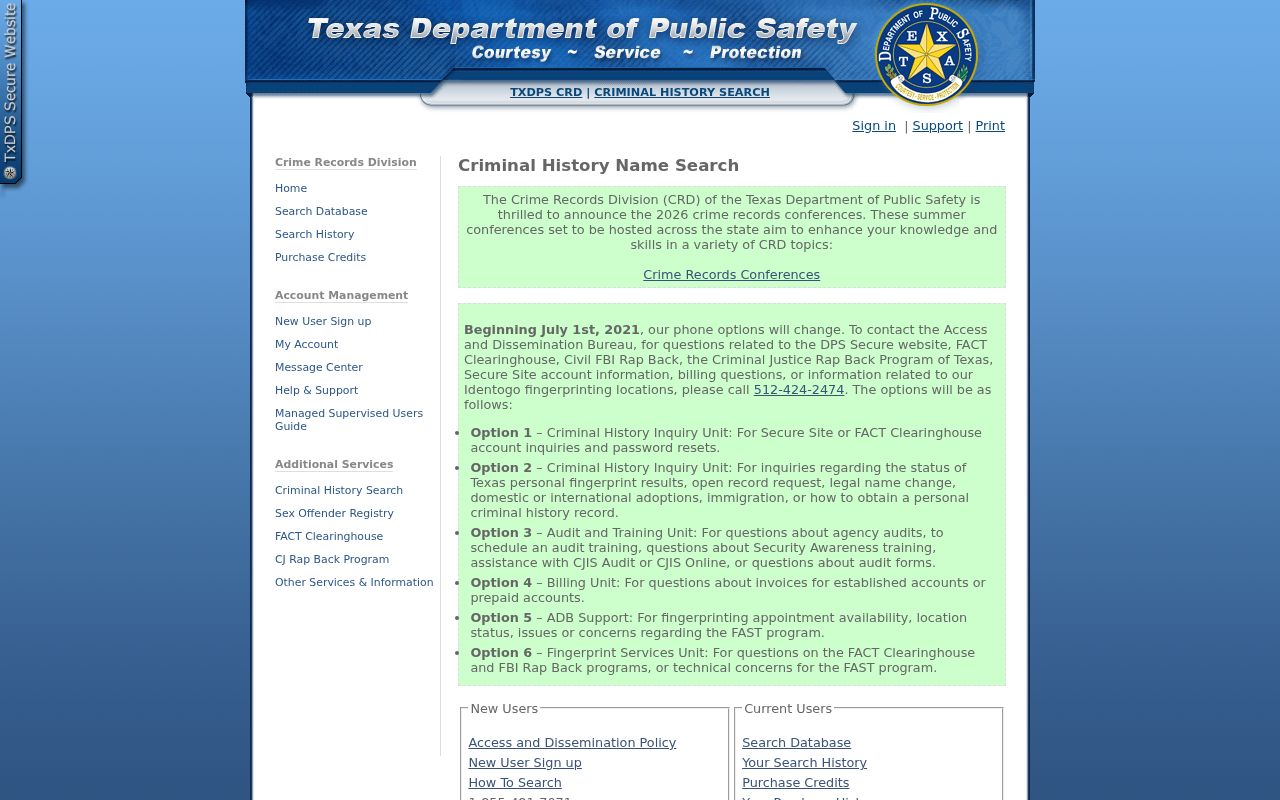
Use it as one layer, then compare any hit with the actual Atascosa County judgment.
Why a $1 DPS Search Falls Short
DPS tests names with exact and Soundex-like comparisons and expands queries, including versions without a middle name. A search may therefore return a person with similar identifiers, while a miss may reflect reporting lag or incomplete data. DPS warns that fingerprints are the conclusive comparison method.
| Field | Use | Practical caution |
|---|---|---|
| Last and first name | Core name criteria | Spelling similarities can broaden results |
| Middle name | Optional narrowing | The system may also try without it |
| Date of birth | Strong identifier | Use the full date when known |
| Preview | Review descriptive details | Do not rely on name alone |
The DPS matching and credit guide explains those limits:
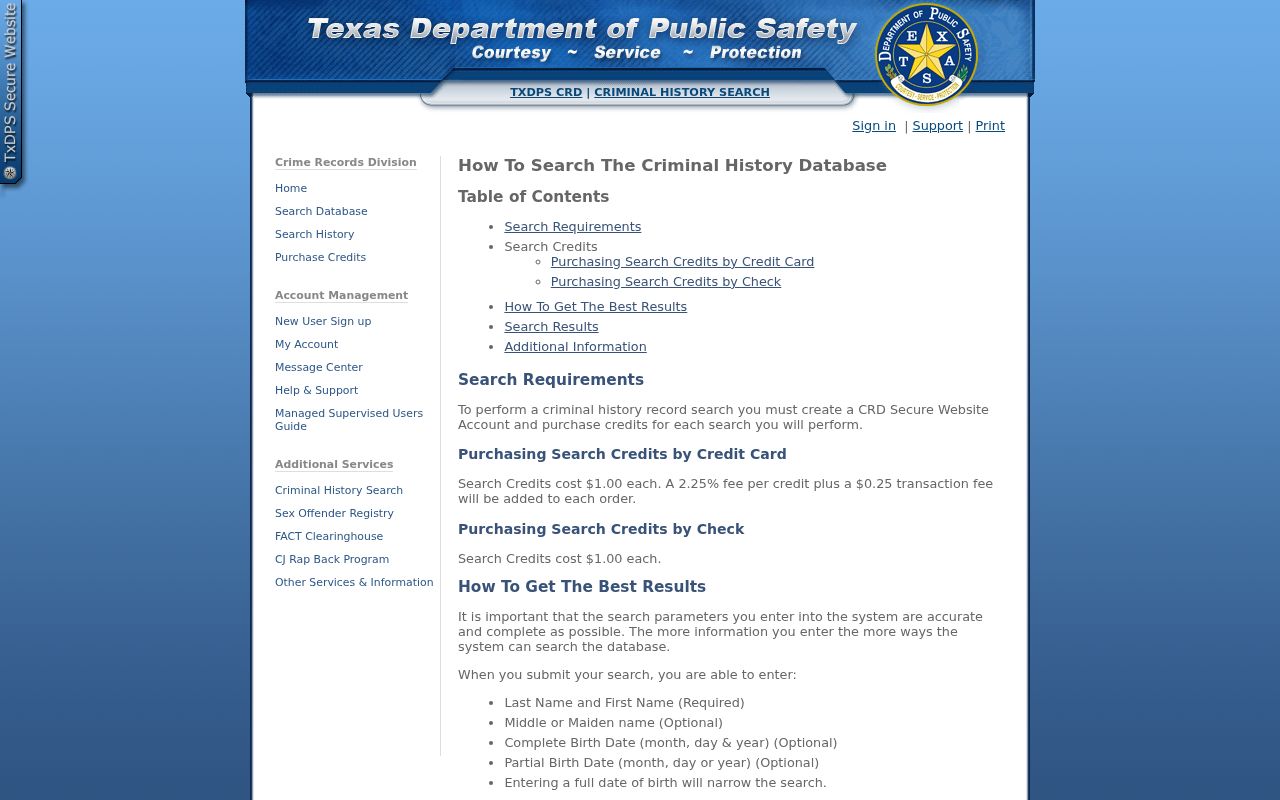
Its identity warning is the reason a county case number, judgment, and date of birth matter when reviewing a possible match.
Kinds of Criminal Records
Atascosa County records are products of different offices, not one universal file. The agency that creates a record usually remains the best source for its original detail.
- Arrest and booking records document the allegation, intake, custody, bond, and release, without proving guilt.
- Court case files show the filed charge, docket, plea, orders, disposition, sentence, and costs.
- DPS history entries connect fingerprint-supported arrest cycles with reported dispositions; the public view is narrower.
- Warrants originate with a judge or magistrate and may require both court and law-enforcement checks.
- Custody, supervision, and registry records sit with the jail, TDCJ, CSCD, parole offices, or DPS registry according to status.
The county’s official departments directory maps those functions:
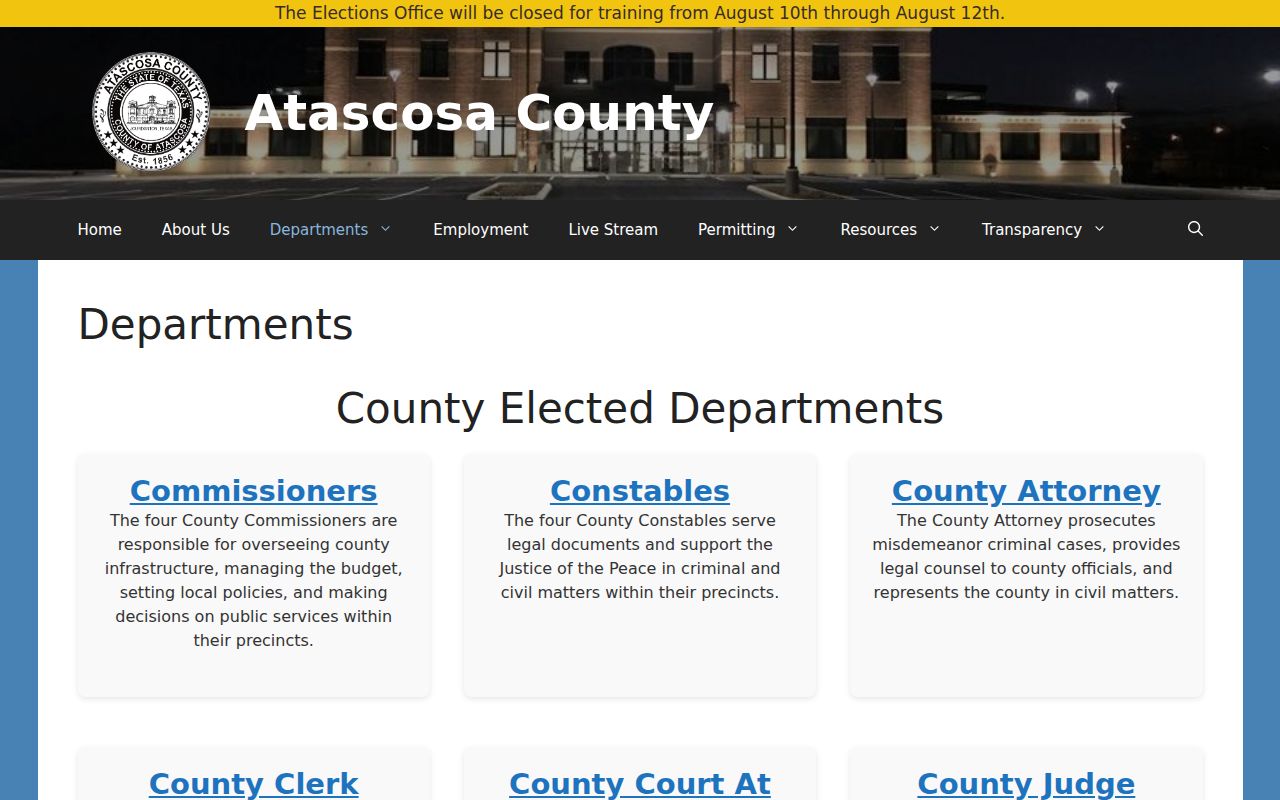
Use it to reach the actual custodian rather than asking one office to compile records held elsewhere.
Atascosa Jail Roster Phone Fallback
The official Sheriff website does not expose a public online jail roster. For current booking or inmate information, call 830-769-3434 extension 2231. Jail Records and local background checks use extension 2239. Historical written requests go to reports@acso-tx.org, and the in-person office is at 1108 Campbell Avenue in Jourdanton.
That fallback is more reliable than an unofficial mugshot site. Ask for the specific product, date range, person, and booking or case number. If copies have a charge, the county page does not publish a base amount, so request a written estimate. The Atascosa County Arrest Search separates recent custody, booking history, incident reports, and later case outcomes.
Atascosa County Criminal Records: What They Contain
A repository record and a court file overlap but are not identical. Public views omit or redact Social Security numbers, financial identifiers, confidential juvenile information, protected victim data, and material covered by expunction or nondisclosure.
| Name & Identifiers | Names, aliases, date of birth, descriptors, Texas SID, or FBI number as law permits. |
|---|---|
| Arrest / Booking | Date, agency, tracking number, intake charge, bond, custody, and release. |
| Charges | Complaint, information, indictment, statute, and classification. |
| Disposition | Dismissal, acquittal, conviction, deferred adjudication, no-bill, or pending status. |
| Sentence | Confinement, community supervision, fines, costs, and restitution. |
| Custody / Supervision | County jail, TDCJ, parole, or public-facing judgment information. |
- Disposition
- The outcome of a filed case.
- Deferred adjudication
- A finding postponed during supervision; DPS includes reported deferred data in its public product.
- Capias
- A court writ directing an arrest.
- Nondisclosure
- An order restricting public criminal-history disclosure without destroying every record.
Reviewing Your Own Record Through Texas FAST
For identity-confirmed self-review, follow DPS personal-review instructions and schedule Texas Fingerprint Applicant Services through IdentoGO by IDEMIA. The agency service code and valid identification are normally required. DPS lists $15 for a fingerprint-based Texas record check plus a $10 FAST capture fee, although purpose-specific totals can differ.
The official FAST enrollment page is the appointment gateway:
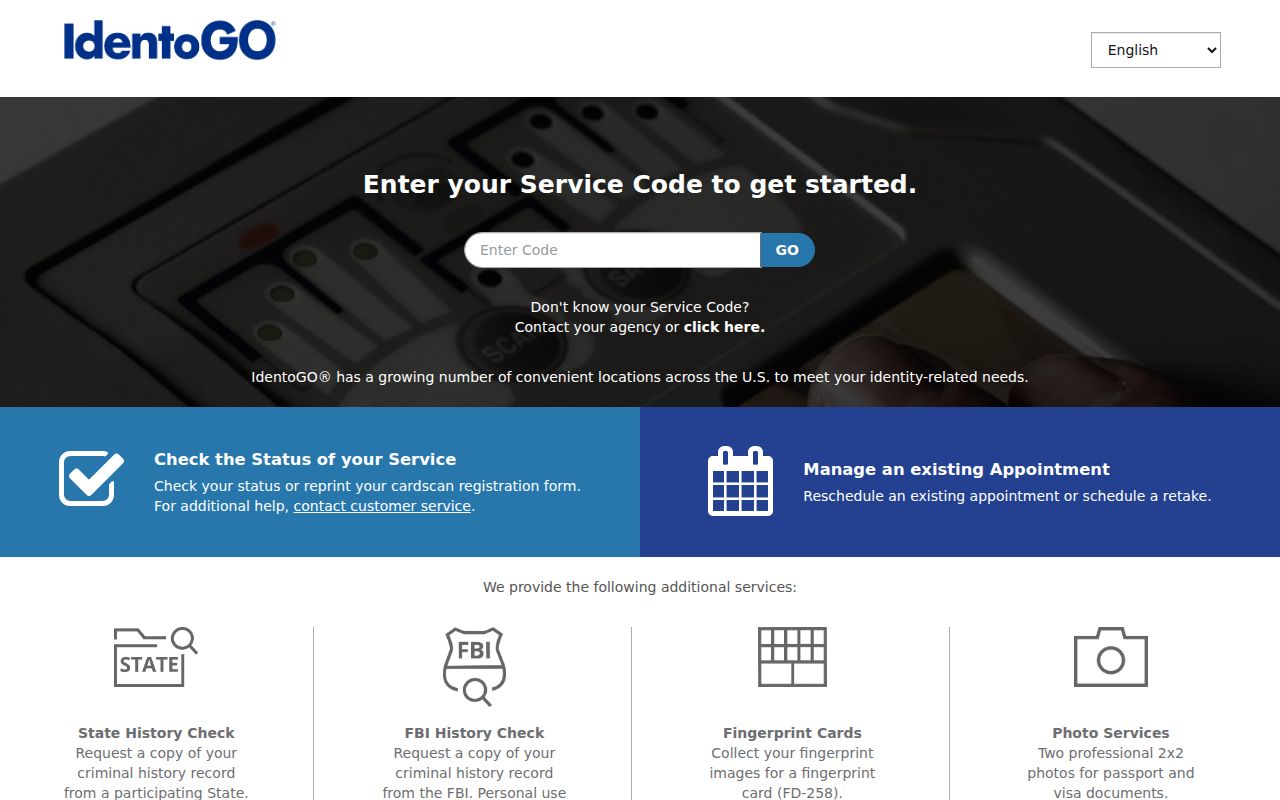
The Sheriff offers ink-only fingerprints on weekdays from 8:30 a.m. to 4:30 p.m., but ink capture is not automatically an electronic FAST submission.
The DPS Crime Records Division explains repository and correction services:
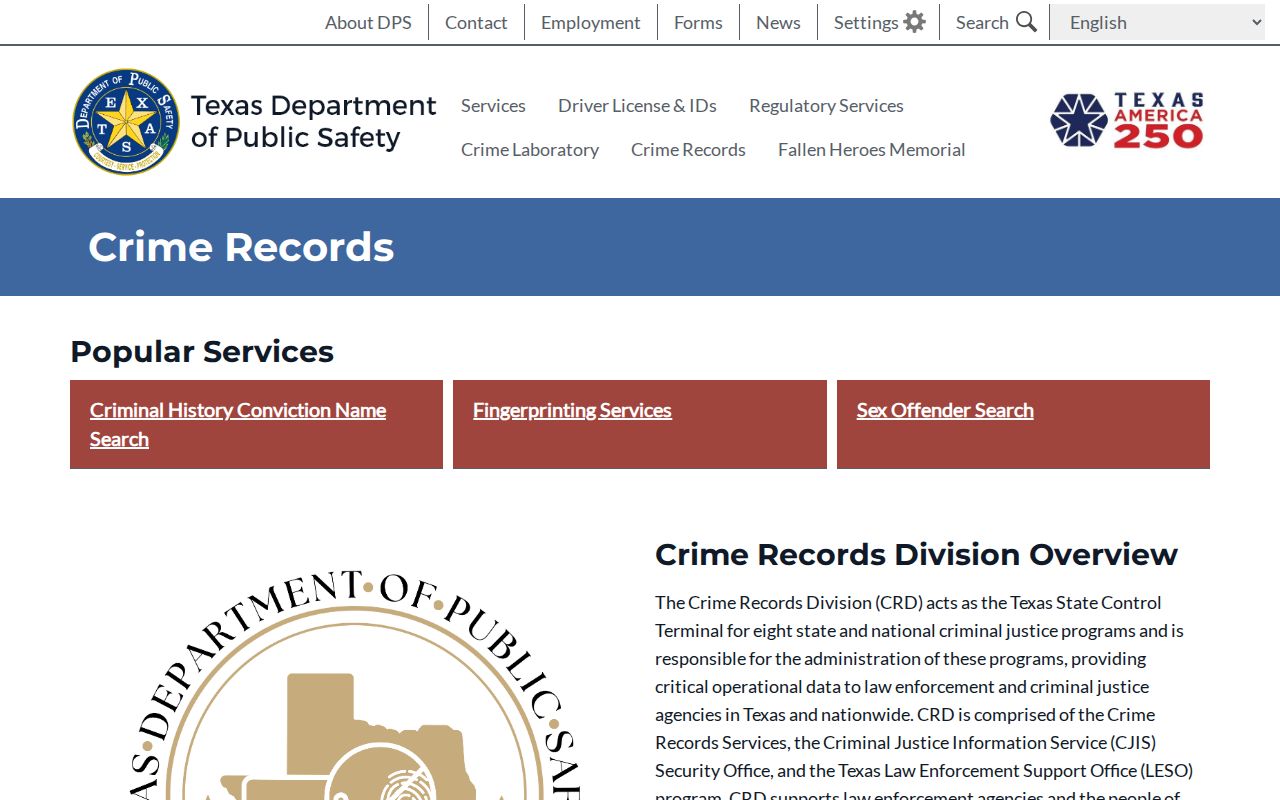
Use the result and DPS challenge process to address an error in your own Texas record.
Texas Public Access Laws
The route depends on the holder. Sheriff agency records use the Texas Public Information Act. Adjudicative case documents go to the proper clerk, while Rule of Judicial Administration 12 applies to judicial administrative records rather than ordinary case files. DPS public history rests on the state’s criminal-history dissemination statute.
Key laws:
Government Code Chapter 552 grants access to public agency information and requires prompt handling, subject to exceptions.
Government Code §411.135 permits DPS to release public conviction and deferred-adjudication information.
Texas Rule of Judicial Administration 12 governs judicial administrative records, not ordinary adjudicative files.
Code of Criminal Procedure Chapter 55A governs expunction.
Request existing records and ask for segregable public portions when a report includes confidential material. The ten-business-day milestone generally concerns an agency seeking an Attorney General decision to withhold information; it is not a universal completion guarantee.
Atascosa’s Four-Counter Warrant Fallback
No complete official countywide online warrant database was documented. Begin with the issuing municipal or justice court for a fine-only matter. For a felony or misdemeanor bench warrant, check the District Clerk or County Clerk case docket. The Sheriff can route law-enforcement questions, but an active warrant should be resolved through the court or counsel rather than tested by appearing unexpectedly.
A warrant record may be sealed or absent from a public index. Payment arrangements, recall, or a new setting depend on the issuing court. A clerk can confirm public docket activity but cannot provide legal advice. Call ahead with a case number and date of birth where appropriate.
County Jail or TDCJ Custody
Atascosa County Jail holds local and pretrial prisoners, so a recent arrest begins with Sheriff Booking extension 2231. A person sentenced to state prison may instead appear in the TDCJ Online Inmate Search, which can return location, offense, and projected-release information. The two systems do not duplicate one another. A transfer or newly imposed sentence can also create a period when status is moving between agencies.
TDCJ offers telephone and email channels through its offender-information service. The Texas Integrated Victim Services System provides custody information and notifications for registered users. Neither source exposes an entire court or supervision file. Read the clerk’s judgment for the sentence, use the locator for custody, and use IVSS for notification needs.
Community supervision is county-run through the 81st and 218th Judicial District CSCD. There is no public probationer lookup. A public docket or judgment is the appropriate evidence of the sentence, while protected supervision details remain with CSCD. Parole decisions and state supervision involve the Texas Board of Pardons and Paroles and TDCJ Parole Division.
Restricted, Sealed & Expunged Records
Expunction under Chapter 55A can remove qualifying arrest records in precisely defined circumstances, including some acquittals, pardons, dismissals, and no-charge outcomes. Eligibility turns on the entire arrest episode and exceptions, so dismissal alone does not guarantee relief. An order of nondisclosure usually restricts public dissemination while leaving records available to criminal-justice and other authorized entities.
The District Clerk publishes service contacts for agencies that may need notice in an Atascosa expunction. A current local packet and filing total were not located, so obtain the clerk’s fee calculation, court assignment, and service list before filing. Juvenile records follow separate confidentiality rules.
The official Chapter 55A text supplies the controlling expunction provisions, while Chapter 411 addresses nondisclosure and dissemination.
Federal Records Use Different Systems
Atascosa County lies in the Western District of Texas. Federal case records use PACER, not the Atascosa County clerk. PACER generally charges $0.10 per page with a per-document cap, and quarterly fees of $30 or less are waived under the current schedule. Sealed filings remain unavailable.
The official PACER service demonstrates the federal court-search layer:
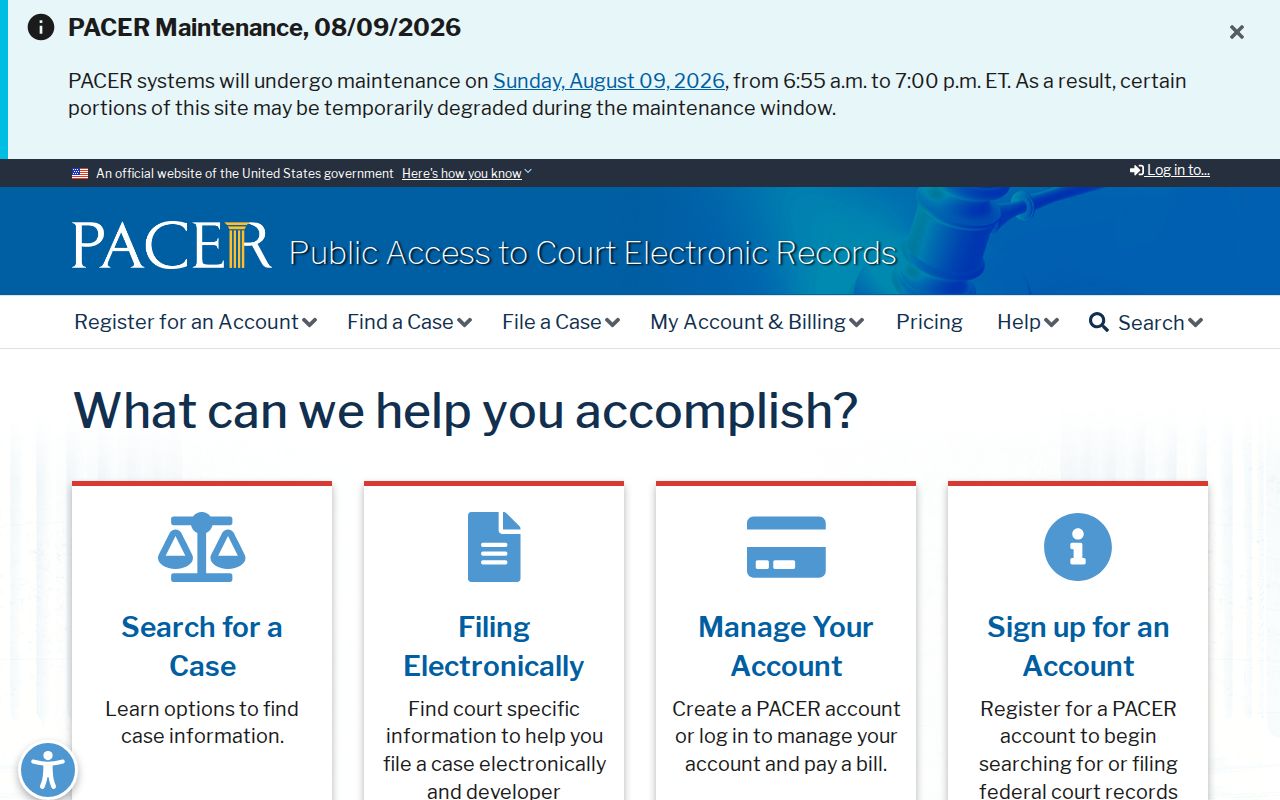
Search the correct federal division and case, rather than expecting a county index to include it.
The Western District of Texas website provides division and court information:
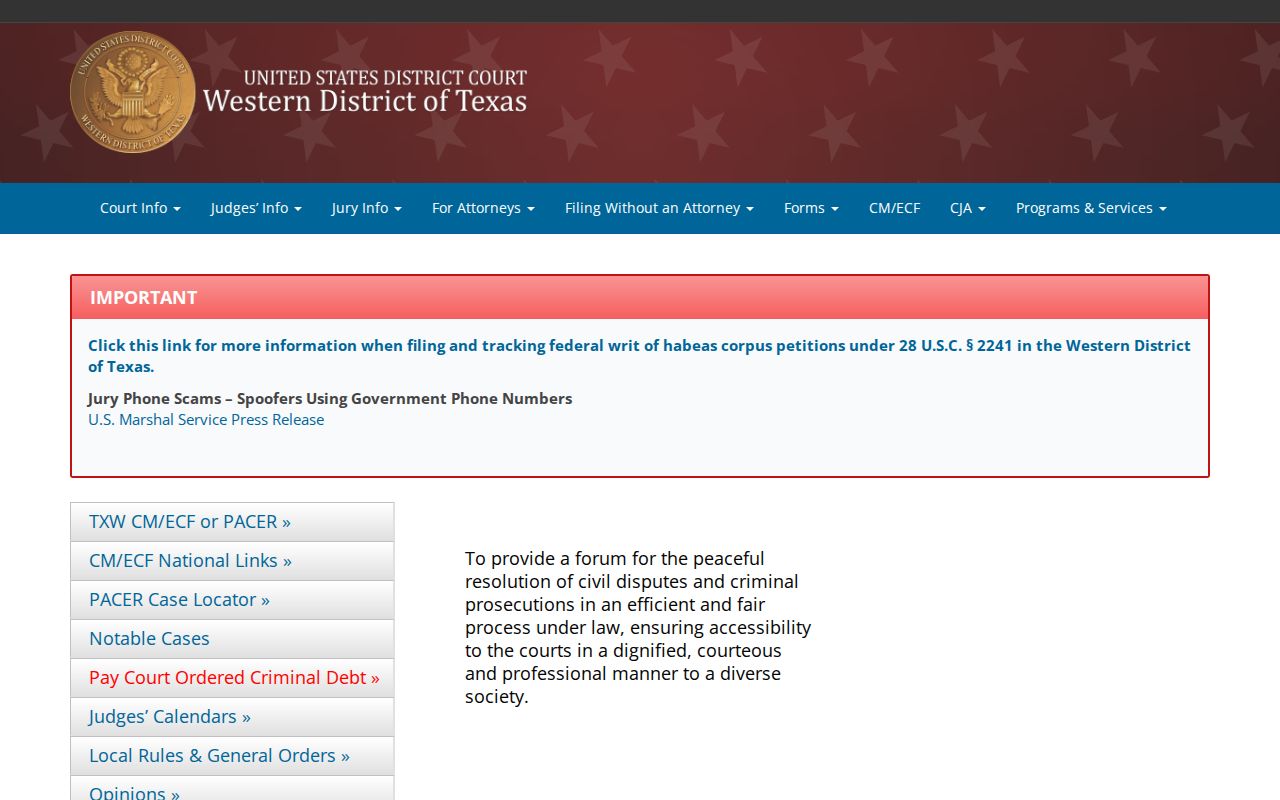
Atascosa federal matters generally connect to the San Antonio Division, though current office details should be checked before a visit.
FBI History and Federal Custody
An FBI Identity History Summary is a subject-only fingerprint product, distinct from PACER, TDCJ, and county files. The federal base fee is $18, with possible fingerprint or channeler charges. Submit through the FBI Electronic Departmental Order portal, by mail, or an approved channeler.
The official FBI order portal presents that self-review process:
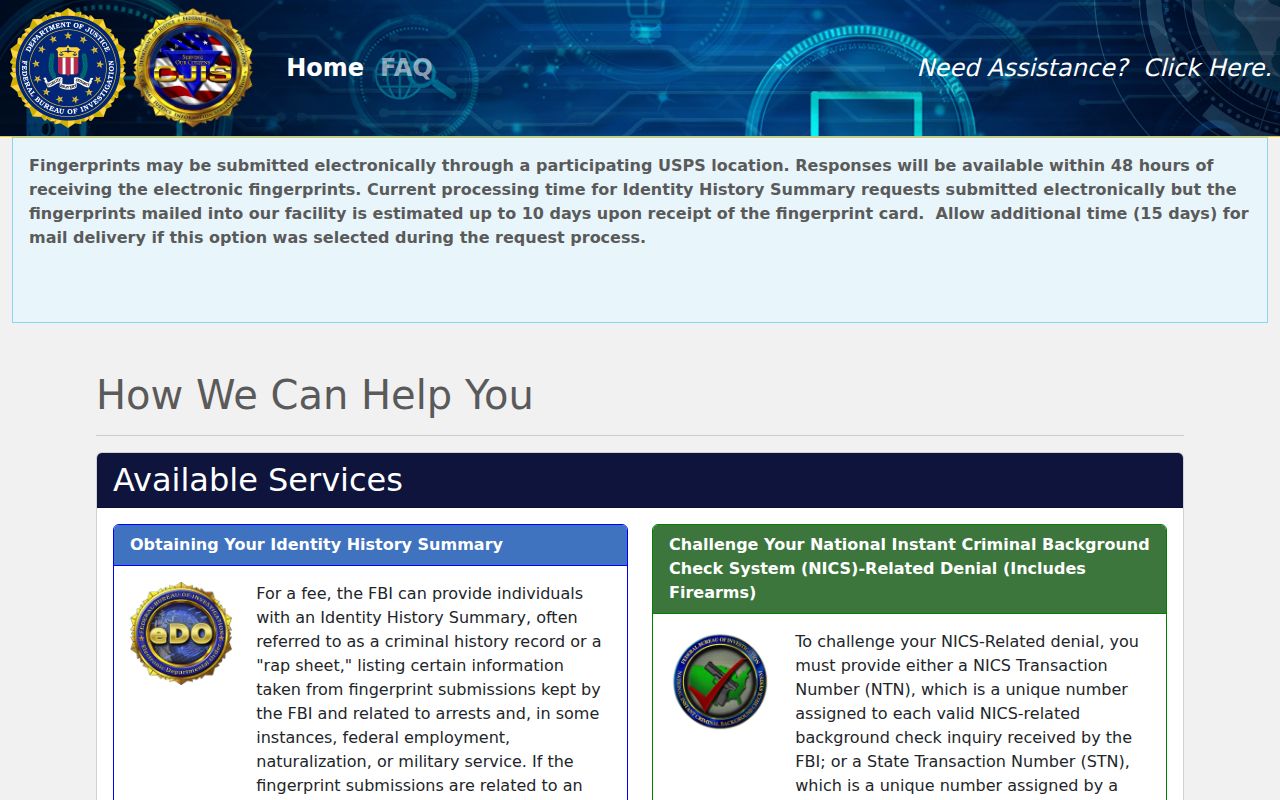
It does not provide a public name search for another person.
Federal custody uses the Bureau of Prisons locator:
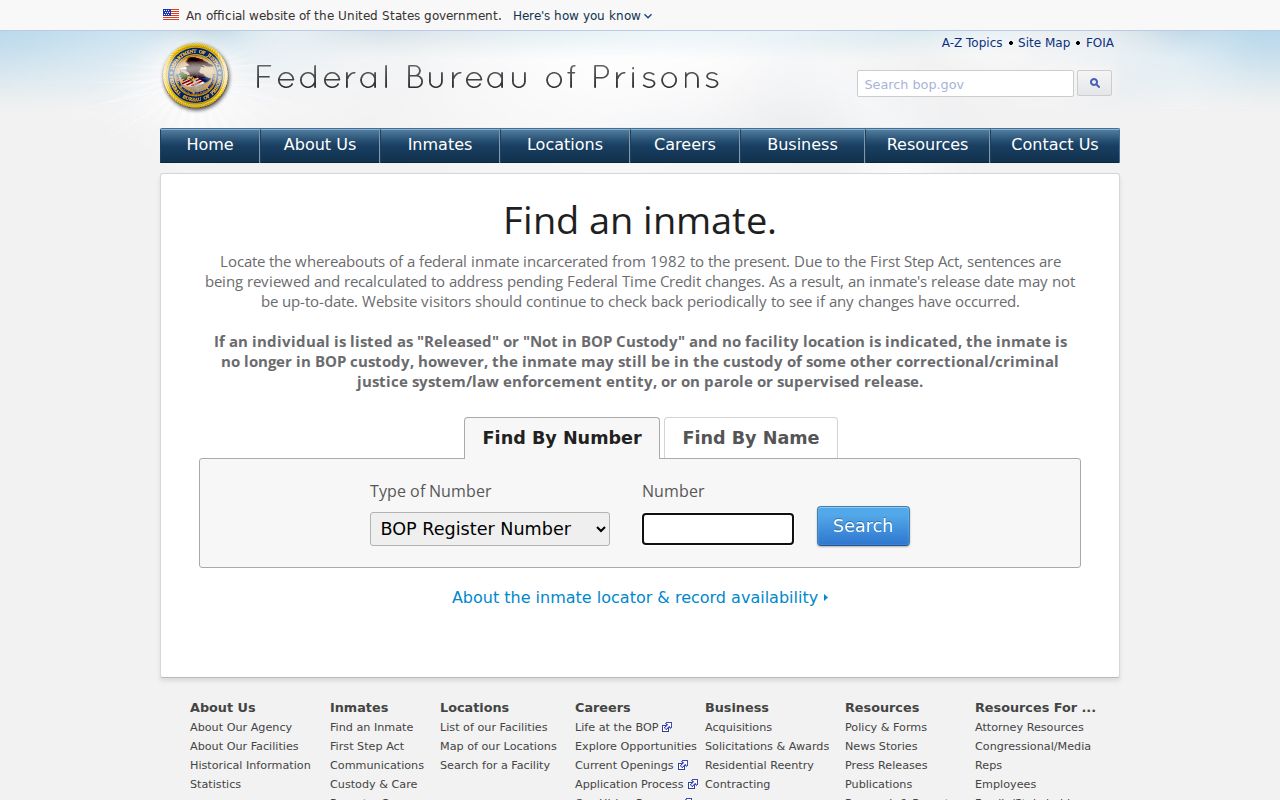
That database does not replace the Atascosa County booking line or the TDCJ Online Inmate Search for Texas prison custody.
City-by-City Criminal Records in Atascosa County
City police departments keep their own incident reports and municipal courts handle ordinance and Class C matters. Pleasanton has an official NextRequest portal, Jourdanton supplies an open-records form and court contacts, and Poteet routes police reports through its local records counter. City arrests may still produce Sheriff booking files and county-level prosecutions in Jourdanton.
Pleasanton Record Check
Approx. 10,648 residents · PD requests, NextRequest, and Municipal Court.
Jourdanton Record Check
Approx. 4,094 residents · Police request form and county-seat court access.
Poteet Record Check
Approx. 2,795 residents · Police records counter and Municipal Court.